Industry Spotlight: Sequifi's $6.7M Seed Round for Home Service Workforce Infrastructure
Sequifi, a U.S.-focused workforce infrastructure startup for essential home service industries, recently announced a $6.7 million seed funding round to build tools that help service companies retain and grow their workforce — a core scaling challenge that often underlies the lead-volume pain operators feel.
The platform focuses on real-time pay, retention tools, and workforce optimization systems designed to help operators keep technicians engaged, reduce turnover, and build reliable teams that can absorb demand without falling apart.
Why this matters:
- A steady flow of leads is great, until you don't have the team to fulfill them reliably.
- Workforce instability is one of the biggest hidden ceilings for service businesses trying to scale — more jobs don't matter if you can't staff them consistently.
- Investors backing Sequifi are signalling that operational resiliency, especially around people and capacity, is a top priority for future growth in the sector.
When More Leads Actually Hurt Your Business
For more leads to mean more revenue can only hold true when a business is built to absorb the demand.
In reality, increased lead volume often exposes operational weaknesses that were already there. Response times start slipping. Estimates get delayed. Close rates decline. Customers who would have booked last month now move on because no one followed up quickly enough.
Revenue might still rise, but efficiency drops. When intake depends on one person juggling calls, when follow-up relies on memory instead of process, and when scheduling lives in a spreadsheet that only one employee understands, more leads create bottlenecks.
And bottlenecks are expensive. You pay to generate the lead, then you lose margin trying to recover from operational friction. Sometimes you lose the customer altogether.
The operators who scale successfully focus on what happens after the phone rings. They build systems that handle inquiry and communication consistently, even during peak demand.
More leads are only an advantage when your infrastructure can support them. Without that foundation, additional demand just creates strain.
Takeaway: Lead generation magnifies operational weaknesses. Sustainable growth comes from building systems that can consistently convert and deliver on the demand you create.
Insights from X
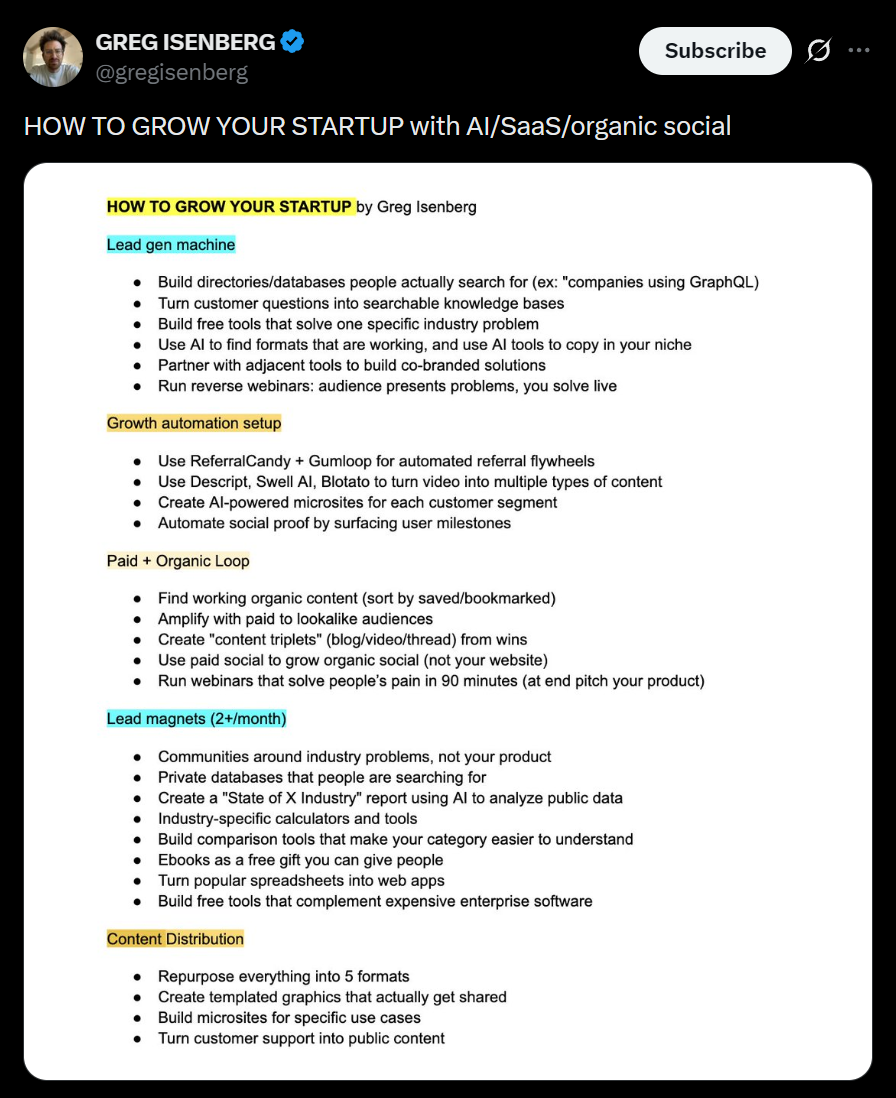
Operator takeaway: Lead generation is a system, and its real advantage comes when acquisition, automation, and content work together as a machine instead of disconnected experiments. Just make sure the machine feeds a business that can actually handle the volume.
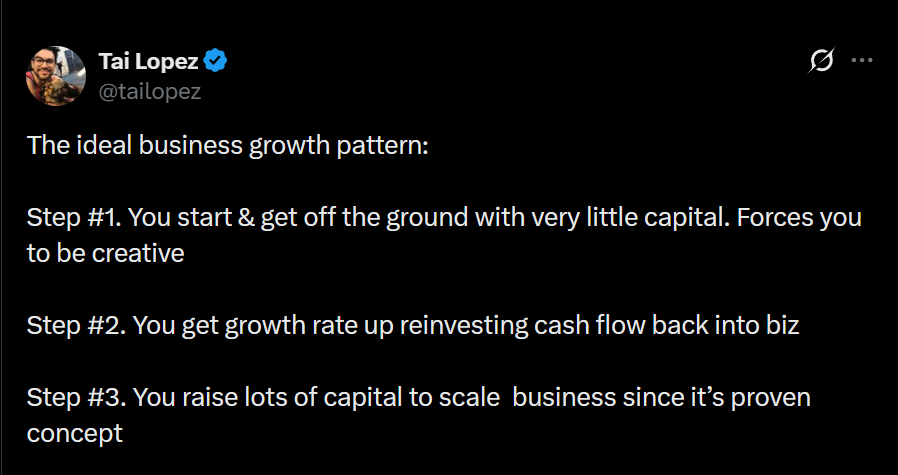
Operator takeaway: Growth evolves. First you hustle, then you reinvest, and eventually you scale what's already working. The mistake most operators make? Trying to skip straight to "scale" before the fundamentals are stable.
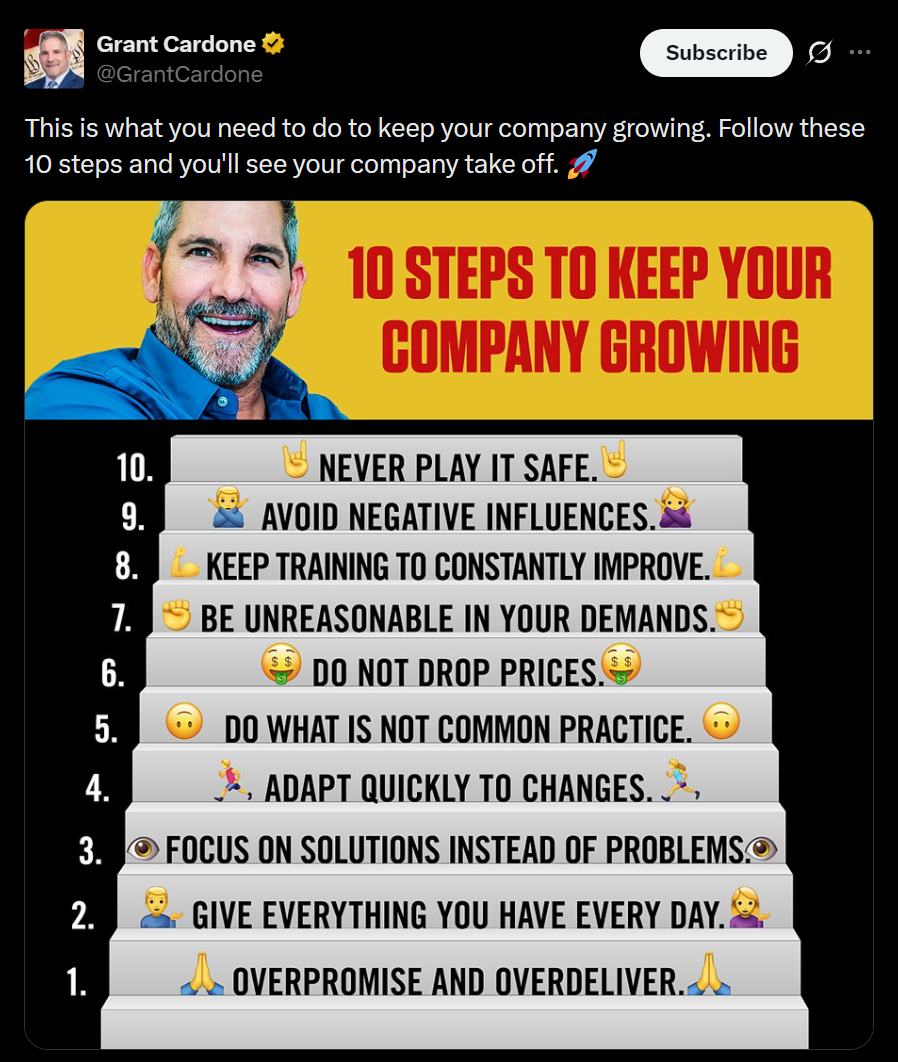
Operator takeaway: Step-by-step growth frameworks are helpful, but none of them matter if your operations can't absorb momentum. Strategy creates opportunity. Systems turn it into revenue.
If you're serious about scaling without chaos, book a strategy call and let's build the infrastructure that supports it.