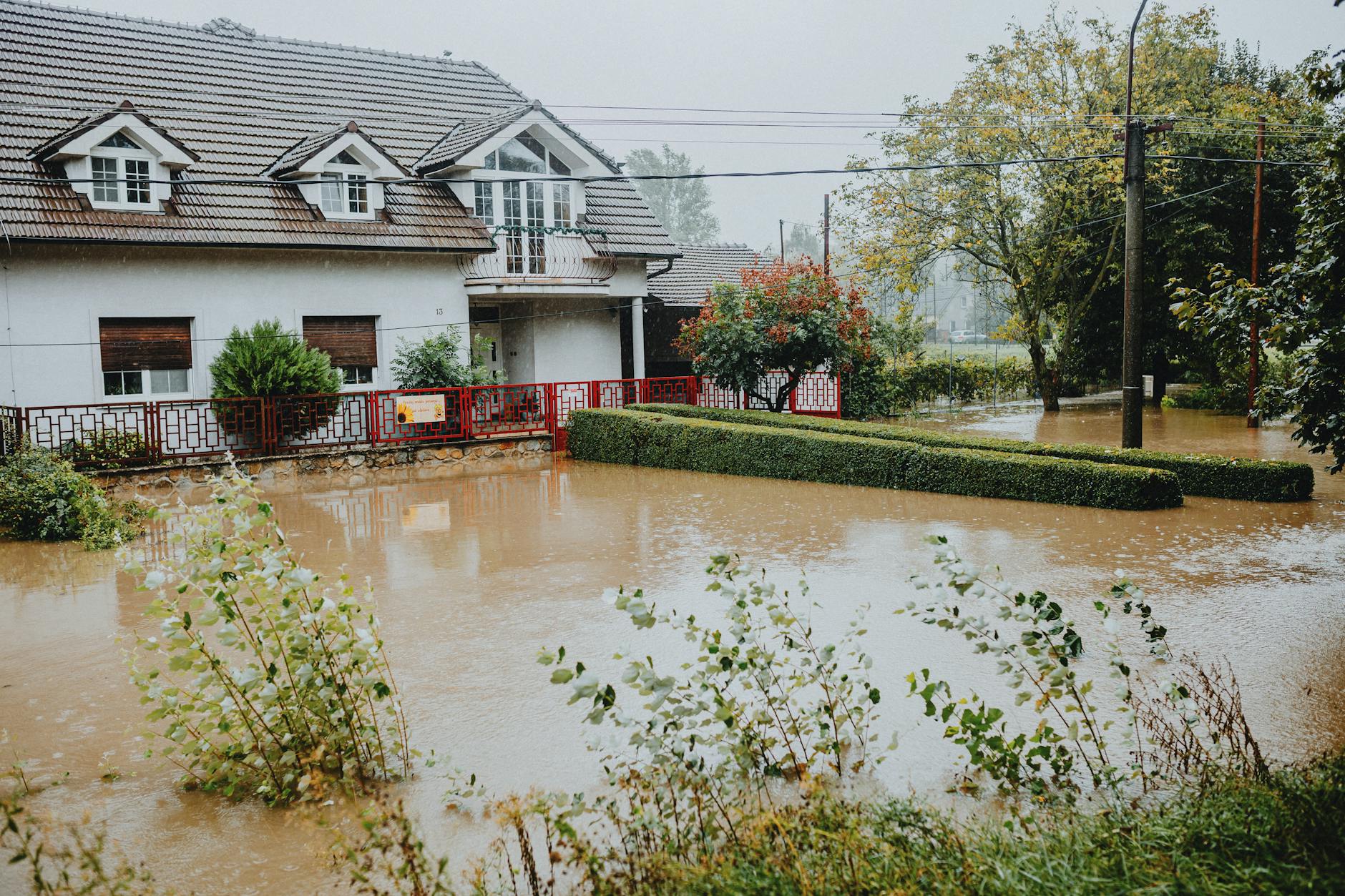
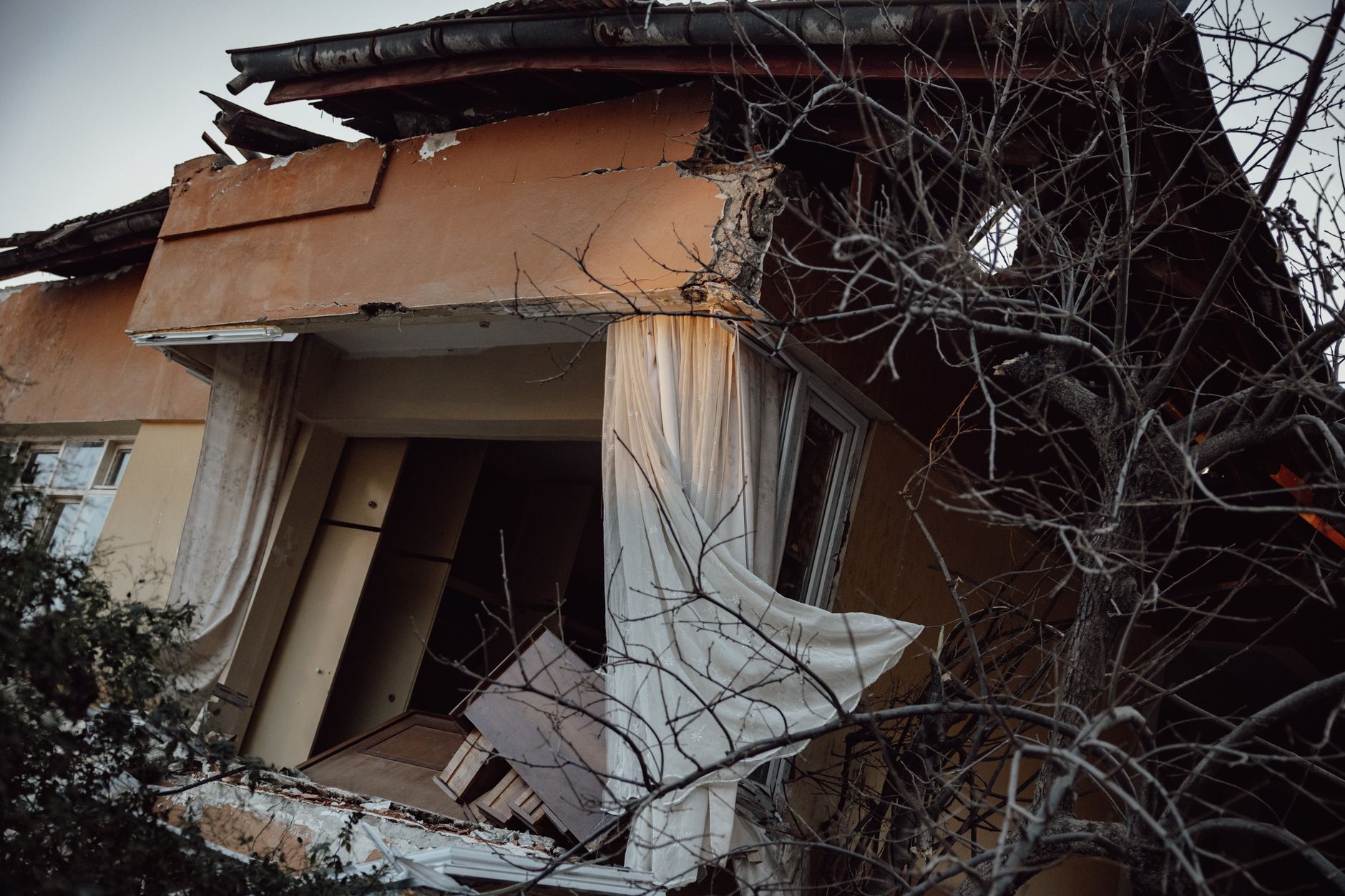
Why Were Restoration Leads Costing $300 Each?
The lead cost was high because the account was paying premium CPCs and wasting most of the resulting traffic. Water damage restoration keywords are among the most expensive in all of paid search. Emergency terms routinely run $40-$80 per click in competitive metros, and broad-match "water damage restoration" phrases can spike toward $250 per click when Quality Scores are weak.
When you pay $60 a click and convert 8% of that traffic, your cost per lead is already $750 before you account for tire-kickers and out-of-area calls. This operator was converting closer to 6%. The problem was never the ads themselves. It was everything that happened after the click.
What Was Actually Broken in the Funnel?
The funnel leaked at three structural points, not one. We mapped it against The Build, our four-stage growth system, and the failures lined up cleanly with where the system had gaps.
| Stage | What was happening | The structural fix |
|---|---|---|
| Be Found | Bidding on broad, non-emergency keywords with no geo-fencing | Tightened to emergency-intent terms, added LSA, fenced to the real service radius |
| Be Chosen | Homepage as landing page, no emergency framing, slow load | Dedicated landing pages per service, 24/7 framing, click-to-call above the fold |
| Be Booked | Leads hitting a voicemail after hours; no speed-to-lead | Live answering and a tracked intake pipeline with attribution |
For a category where the buyer has a basement filling with water at 11pm, sending them to a generic homepage and a voicemail is the single most expensive mistake an operator can make. The click cost the same whether or not the phone got answered.
How Did the Landing Page Change the Math?
The landing page rebuild did the heaviest lifting because it doubled the percentage of clicks that turned into calls. We built dedicated pages for water, fire, and mold, each one front-loading the emergency response promise, the service area, and a phone number that was tappable on mobile before the page even finished loading.
We typically see 2-3x landing page conversion rates versus the industry standard, and restoration is where that gap is widest because intent is so high. A homeowner with an active emergency converts the moment they trust you can show up fast. They do not need a 90-second brand video. They need proof of speed and a button to press. We built and shipped 8 landing pages in 2 days, then let the data sort out which framing won.
What Were the Before and After Numbers?
Cost per lead dropped from $300 to $124 over 90 days, a 59% reduction, with no increase in monthly ad budget. Here is the breakdown.
| Metric | Before | After (90 days) |
|---|---|---|
| Cost per click | $58 | $49 |
| Landing page conversion | 6% | 14% |
| Cost per lead | $300 | $124 |
| Calls answered live | ~70% | 98% |
| Lead-to-job rate | 22% | 34% |
The CPC barely moved. The lead cost was cut in half because the traffic that was already being bought finally had somewhere productive to land and someone to answer the phone. That is the whole point: most restoration accounts do not have an ad problem, they have a system problem. We wrote about that structural failure in more depth in why restoration marketing fails.
Why Does Speed-to-Lead Matter More in Restoration?
Speed-to-lead matters more in restoration than almost any other trade because the buyer is in active crisis and will call the next company on the list within minutes. A water damage lead that waits 10 minutes for a callback is often already booked with a competitor. Restoration is not a considered purchase; it is a now purchase.
This is also where insurance and TPA dynamics reward speed. The faster you arrive and document, the cleaner the claim and the larger the job. If you want the insurance side handled properly, we broke that down in how to get restoration work from insurance companies. The marketing system and the insurance system have to be built together, not bolted on separately.
The Bottom Line
Cutting restoration lead costs is rarely about finding cheaper clicks. It is about fixing the structural leaks between the click and the booked job, which is exactly what The Build is designed to do across Be Found, Be Chosen, and Be Booked at the same time. This operator did not spend more; he stopped wasting what he was already spending. If your restoration leads are costing more than they should and you suspect the problem is downstream of the ads, book a call and we'll tear down your funnel the same way.
How much should a restoration company pay per lead?
It depends on your market and whether leads are exclusive or shared. Shared restoration leads typically run $200-$350 and exclusive leads $400-$750+, but a well-built owned funnel can land qualified, exclusive leads in the $120-$180 range in many markets. The figure that matters is cost per booked job, not cost per lead.
Are Local Services Ads worth it for restoration?
Yes, for emergency services. LSAs convert at roughly 10-15% and you only pay for valid leads, which makes them one of the most efficient channels for restoration. They work best stacked with a strong landing page and live answering, not as a standalone tactic.
Why is my restoration cost per lead so high?
Almost always because of low landing page conversion or unanswered calls, not the CPC itself. If you are paying $50+ per click and converting under 8% of that traffic, your lead cost will look brutal regardless of how well the ads are tuned. Fix the page and the phone first.