Industries · HVAC

The HVAC marketing agency that counts booked jobs, not leads.

HVAC Google Ads, Local Services Ads, and local SEO. Every call graded. Every install traced back to the ad that found it. Month to month.

Book a Call
$40,000,000 in pipeline generated across the DUO Digital roster
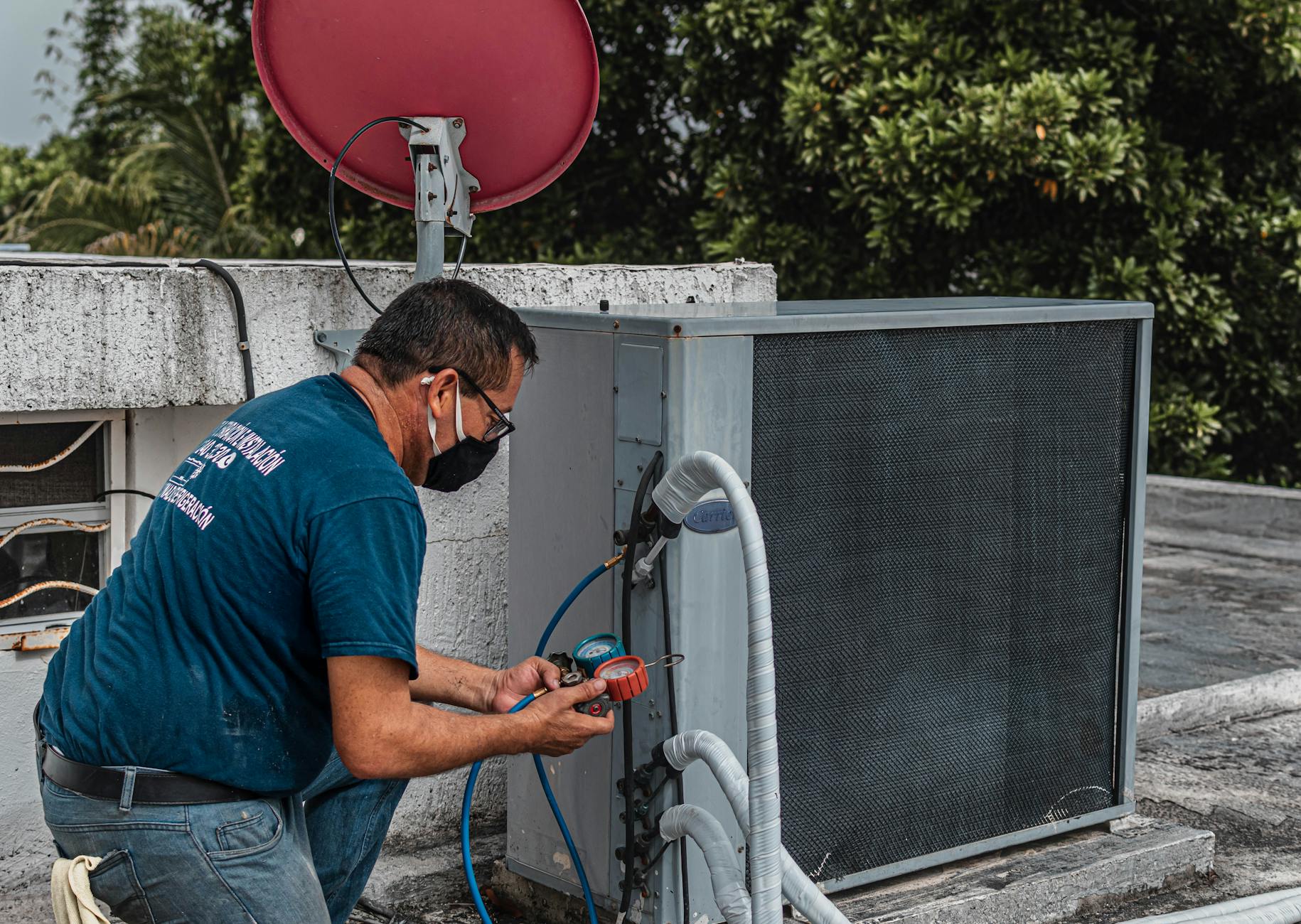
HVAC crew at work

“Best marketing and Google page administration team I’ve ever found. Worth every penny.”

“Best marketing and Google page administration team I’ve ever found. I’ve tried several. This by far is the best. Worth every penny.”

SHIELD Mechanical James Hussey SHIELD Mechanical
The Problem

Running HVAC ads and still can't say which jobs they booked?

01
The phone rings, nobody books
02
Paying for clicks that never call
03
Agencies report, you still worry
04
First 95° day and you're three weeks behind
05
Two good seasons. Two dead ones.
06
Every call is a repair, never a replacement
07 AND NOBODY COULD TELL YOU WHICH JOBS CAME FROM ANY OF IT.
The System

How do we track booked HVAC jobs?

Leads are easy to count. Installs are what you bank. Here's how a call becomes a dollar figure on the campaign that earned it.

Starts here
Paid Ads Google · Meta · LSA
Websites custom-coded, yours
Local SEO map pack · reviews
The Lead Is Created every repair call and replacement form captured
Your side Your CRM your sales team just keeps doing what it already does
Our side The DUO Dashboard every lead graded: repair, tune-up, replacement
Revenue Sync every dollar traced to the system it booked
Budget moves to what’s working, every month

How a call becomes a dollar figure

01 Every call and form is captured and tagged. Tracking numbers and form tracking tie each inquiry to the source: LSA, Google Search, Maps, Meta, or organic. That includes the no-cool call on the first hot day.
02 Every lead is graded quotable or junk. Spam, wrong service, out of area, and job seekers come out of the numbers. You see what's left.
03 Each lead gets a job type. Repair, tune-up, replacement, or new install. That's how you find out which ads brought the system replacements and which brought the capacitor calls.
04 Your CRM sends the money back. Revenue Sync matches each closed job to the call or form that started it, by email first, then phone number. Quoted value, closed value, and stage sync overnight. JobNimbus, Pipedrive, AccuLynx, JobTread, Attio and more are connected today; if your CRM has an open API, we can connect it.
05 Budget follows booked jobs. Every month we move spend toward the campaigns and service lines booking jobs, and away from the ones filling a lead count. Peak season and shoulder season do not get the same budget. If the board is full, we tell you to throttle.

What you get each month: spend, quotable leads, booked jobs, revenue, and cost per booked job, by channel and job type. If a job can't be matched to a lead, it shows up on the report with the reason. Usually it's a missing phone number.

Book a Call See Paid Ads → How Revenue Sync works →
The part other agencies put in fine print

What do you keep if you leave an HVAC marketing agency?

/01

Your accounts. Your card. Your data.

Ad spend goes on your card, straight to Google and Meta. No percentage of spend. One flat fee.

/02

Nobody's learning marketing on your account.

No rookie handoff after the sales call. Average tenure of a DUO campaign manager: 5+ years.

/03

You can leave. That's the deal.

Month-to-month, always. No cancellation maze. You stay because it works. And everything leaves with you.

/04

You'll never chase us for an answer.

People who know your name, answer same-day, and walk your numbers with you every month.

The HVAC Playbook

How does an HVAC marketing agency book the right jobs?

When the AC dies in July, the homeowner calls in minutes. A replacement buyer takes weeks. The system has to catch both, then show which campaigns booked installs and which booked repairs.

/01

How do homeowners search for an HVAC company?

Urgently. When the AC dies in July, the homeowner is uncomfortable right now and choosing in minutes, not days. The replacement buyer is the opposite: weeks of research, reviews, and comparison before they call.

Emergency searches look like "AC not working," "emergency furnace repair," or "HVAC repair near me." Getting to the top of that result is everything. Planned buyers search "new AC unit cost," "best HVAC company in [city]," or "high efficiency furnace installation," then research and compare. We run Local Service Ads for emergency calls, Google Search for replacement buyers, and retargeting for homeowners who searched but did not commit.

/02

What makes HVAC marketing different?

Two peak seasons and two dead ones. Most HVAC companies run the same campaigns all twelve months, so they waste money in spring and fall and come up short in July.

HVAC runs on summer cooling and winter heating, with spring and fall as the months most companies cannot fill. Peak season is about capturing emergency demand while cost per click spikes; shoulder season is about maintenance agreements, tune-ups, and replacement messaging for aging systems. We move spend, messaging, and targeting with the season instead of riding a boom-bust cycle.

/03

Which HVAC jobs actually grow the business?

Replacements and new installs. Emergency repairs keep the schedule full, but a full system replacement runs $5,000 to $15,000 and up, and that is where the year is won.

Emergency repairs keep the schedule full; replacements and new installs create the revenue. We target homeowners with systems over ten years old, efficiency upgrades, rebate season, and pages that position you as the company to trust with a major purchase. Every call gets graded quotable or junk so you can see which ads brought replacements and which brought repairs.

How does HVAC Google Ads management work?

HVAC Google Ads management means Search and Local Services Ads in one account, not a generic campaign labeled HVAC. Emergency repairs and system replacements get separate campaigns, separate pages, and separate cost per booked job.

LSAs now run inside Google Ads. The target comes from your real baseline, every charged lead gets rated, and the monthly review reconciles charged leads to booked installs. Google will optimize to cheap repair calls if nobody steers it toward the replacements.

Case Studies

Which HVAC results can you verify?

Here’s what happens when the system is built right. Watch the stories, then call them if you want to verify it yourself.

Want to talk to a real HVAC client? We’ll connect you with someone who’s been through it. Ask them what it looked like before, what changed after, and what it did to their schedule. Get a Referral
More From The Brick

What should you read next on HVAC marketing?

See all HVAC articles →

HVAC marketing agency questions

It runs the channels that make the phone ring for a heating and cooling company: Local Services Ads, Google Search, your Google Business Profile, and your website. Then it proves which of them booked jobs. A good one separates replacements and installs from repair calls, grades every lead, and reports cost per booked job.

Google Search and Local Services Ads, managed together. Repairs and replacements are split so one blended target doesn't buy cheap calls to win expensive installs. Every call and form is graded quotable or junk, and the monthly report is cost per booked job by job type.

Usually both. LSAs sit at the top with the Google Guaranteed badge and you pay per lead, which suits no-cool and no-heat calls. Google Search is where replacement and high-efficiency buyers research. LSAs now run inside Google Ads, so they should be managed as one system and reconciled to booked jobs monthly.

Every call and form is tagged to its source, graded quotable or junk, and labeled by job type. Revenue Sync pulls closed jobs and dollar values from your CRM back to the lead that started them. You see cost per booked job for repairs, tune-ups, replacements, and installs.

Two numbers: the agency fee and your ad spend. Paid ads management is $2,200 a month flat ($3,400 for two channels). Local SEO with Google Business Profile is $750 a month. We never take a cut of spend. Ad spend goes on your card. Every price is on the pricing page. Most HVAC companies we work with put $3,000 to $7,000 a month into ads, depending on market and whether the work is residential, commercial, or both.

No long contract. Month to month with 30 days' notice. Your Google Ads account, LSA profile, landing pages, and tracking are in your name. Ad spend goes straight to Google and Meta on your card. If you leave, everything leaves with you.

In plain terms

DUO Digital is an HVAC marketing agency for heating and cooling companies. We manage HVAC Google Ads and Local Services Ads as one system, split replacements from repair calls, and report cost per booked job. Flat fee, your accounts, month to month.

Related Paid adsLocal SEORevenue SyncGoogle Ads for HVAC businessesMonth-to-month HVAC agencies
DUO

More booked HVAC jobs. Not more lead counts.

We’ll build a plan around your market, your service mix, and the kind of work you want more of.

Get More Work