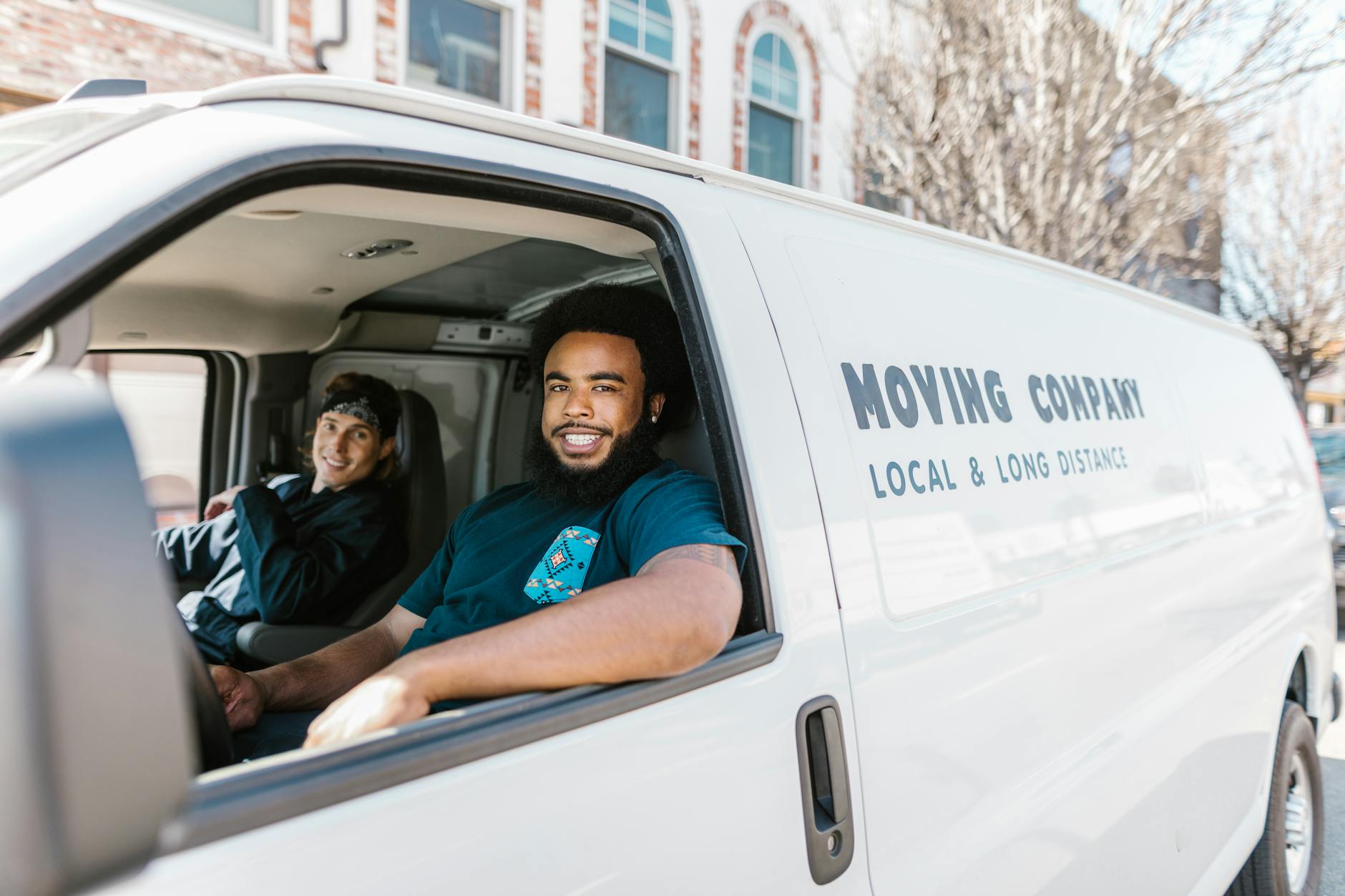
Do Google Ads work for moving companies?
Yes, and they are usually the fastest channel a mover can turn on. Someone searching "movers near me" or "long distance movers Los Angeles" needs a truck soon. That is about as close to a booked job as search gets.
The catch is that moving is a price and speed business. People shopping movers open three or four tabs, compare quotes, and book whoever feels safest and fastest. Google Ads can put you in front of them. It cannot make them pick you. The page and the follow-up do that.
How should a moving company structure Google Ads?
Start by splitting the work you actually want into its own campaigns:
- Local moves. High volume, lower ticket, booked fast. Tight radius around where your crews actually run.
- Long distance moves. Bigger ticket, longer decision, more comparison shopping. Different keywords, different ad copy, different follow-up.
- Commercial and office moves. Only if you want them and have the crews for them. Separate campaign so it can be turned up or off on its own.
- Packing and add-ons. Usually better sold on the page than bought as keywords.
Put local and long distance in one campaign and Google will spend wherever clicks are cheapest. That is rarely where your best margin is. Separate campaigns let you move budget toward the move type that is actually booking.
Then cut the junk. Moving searches pull in a lot of people who will never book you: job seekers looking for mover jobs, people pricing truck rentals, people looking for free boxes. Negative keywords keep that out of your spend, and they need weekly attention, not a one-time list.
What should the landing page do?
This is where most mover accounts break. Rocket Moving in Los Angeles was already running Google Ads when they came to us. The landing page was static, had no real offer, and was not built for people who compare movers on price and speed. Traffic was coming in. Moves were not.
The page we built for them had four jobs:
- A real offer above the fold. Book Now and Save, right where the click lands.
- Proof before the scroll. Reviews and photos of the actual crew, so the page feels like a company and not a lead form.
- Add-on offers. Packing and extras offered on the page to lift average job size.
- Follow-up. Inquiries that did not book on the first visit got followed up instead of forgotten.
About 30% of visitors became a lead on that page. The offer did the qualifying, so return on ad spend held at 4:1 as spend went up, instead of collapsing the way it usually does in moving. Month one paid for itself. Those numbers are on the Rocket Moving case study.
The owner, Christopher Vardanyan, put the difference this way: "Unlike our previous agency, which would just ask us to increase the budget, Duo actively works to optimize without unnecessary spending."
Why do moving ads get clicks but no bookings?
Usually it is one of these:
- The ad sends people to the homepage, not a page built for that search.
- The page has no price signal, no offer, and no reason to book today.
- Local and long distance share a campaign, so the budget drifts to the cheap clicks.
- Nobody follows up on the inquiries that did not book on the first visit.
- The report stops at cost per lead, so nobody knows which campaigns booked moves.
The fix is almost never "raise the budget." If more spend is the only lever your agency ever pulls, that is the tell.
How do you know which Google Ads booked a move?
Cost per lead is the wrong number for movers. A cheap lead that is out of area, wants a truck rental, or never picks up the phone is not cheap. Here is the chain we use on every moving account:
- Every call and form is tagged to the Google Ads campaign that produced it, including the Saturday long distance call.
- Every inquiry is graded quotable or junk. Spam, wrong service, out of area, and job seekers come out of the numbers.
- Every quotable inquiry gets a move type: local, long distance, commercial, or packing.
- Closed moves come back from your CRM and get matched to the inquiry that started them.
- Budget moves toward the campaigns booking moves, every month. If the crews are full, we tell you to throttle.
That gives you cost per booked move by campaign and move type, which is the only number that tells you whether to spend more. It is the same system we lay out on our moving company marketing page.
What does Google Ads management cost for a mover?
Two numbers. The agency fee and your ad spend. DUO's paid ads management is $2,200 a month for one channel and $3,400 for two, flat, month to month with 30 days' notice. We never take a cut of spend. Ad spend goes on your card, straight to Google.
We do not publish a typical mover budget, because we do not have one that is honest across markets. A two-truck local mover and a long distance operator in a big metro are not the same math. We will tell you what your market needs on the first call instead of guessing it here.
What should you ask before hiring someone to run moving ads?
- Will local and long distance run as separate campaigns?
- Who builds the landing page, and does it have a real offer on it?
- Do you grade inquiries, or just count them?
- Can you show me cost per booked move, not cost per lead?
- Is the Google Ads account in my name, on my card, and can I leave month to month?
If the answers are vague, keep shopping. If you want to see how this looks on your market, book a call and bring your last three months of ad spend and booked moves. We will tell you straight if Google Ads is the right move for you.
FAQ
Do Google Ads work for moving companies?
Yes, when the campaigns are split by move type, the click lands on a page with a real offer, and you judge spend on booked moves instead of quote requests. Rocket Moving in Los Angeles held 4:1 return on ad spend as spend scaled, and month one paid for itself.
Should local and long distance moves be in the same campaign?
No. They are different searches, different ticket sizes, and different sales cycles. Put them in one campaign and the budget drifts to whichever is cheaper to click, which is not always the one you want more of.
Why do my moving ads get clicks but no bookings?
Usually the page. People shopping movers compare on price and speed. If the page has no offer, no reviews, and no reason to book today, they open three tabs and leave. Fix the page before you raise the budget.
How much does Google Ads management cost for a moving company?
Two numbers: the agency fee and your ad spend. DUO's paid ads management is $2,200 a month for one channel and $3,400 for two, flat, month to month. Ad spend goes on your card, straight to Google. What you should spend depends on your market, so we tell you on the first call instead of guessing.
How do I know which Google Ads booked a move?
Tag every call and form to the campaign that produced it, grade each inquiry quotable or junk, label it local, long distance, commercial, or packing, then pull closed moves back from your CRM. That gives you cost per booked move by campaign.